Transport disruption and delays
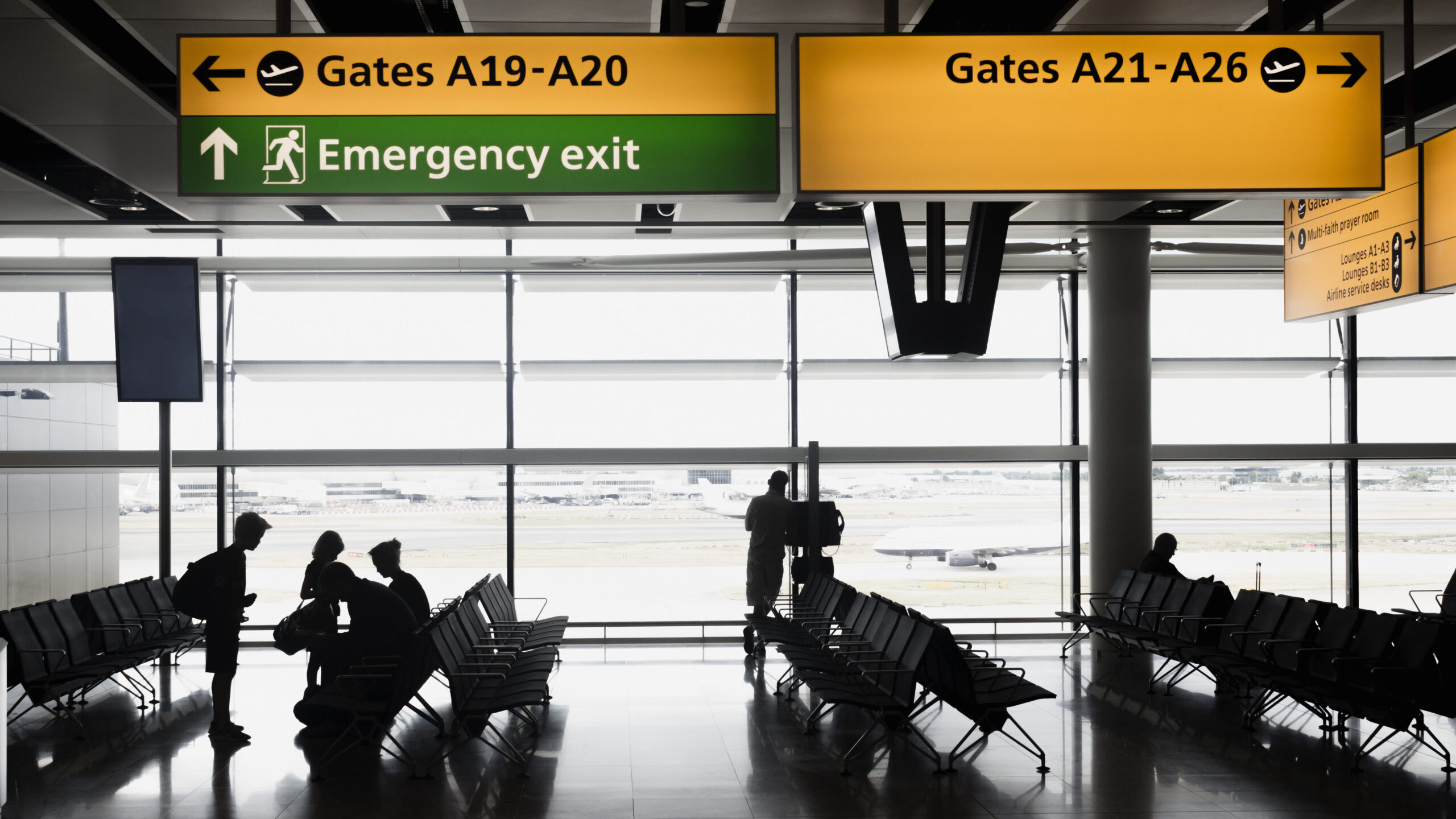
When travelling by car, bike, air, boat, on foot, or by public transport it is important to consider how external factors such as extreme weather could impact you. To help keep yourself safe and reduce the impact of delays, plan ahead, check for disruption before travelling, and stay up to date with weather warnings.
If disruption is expected, consider whether your journey can be delayed until conditions improve. If travel is essential, allow extra time for your journey and check the latest guidance and updates for your chosen mode of transport before setting off.
Travelling during disruption
- If travel is necessary, allow extra time for your journey. Tell someone your destination and expected arrival time.
- Pack essential items, such as:
- Essential medication
- Fully charged phone and charger
- Portable power bank
- Water and food
- Warm/waterproof clothing
- If your journey is disrupted, stay informed through official travel and weather updates and let others know about changes to your travel plans.
- Store one or more emergency contact numbers on your mobile phone or keep a written copy in your wallet or purse – use the ICE or Medical ID feature on your phone if it has one.
The Met Office has some seasonal travel advice on its website as well as useful travel weather contacts that can be used to check road conditions, find out about the traffic conditions, or see transport service updates and timetables.
Public transport advice
- Check with your transport operator before you travel for the latest updates and consider alternative routes or times if needed.
- If you are in an area affected by disruption, follow instructions from transport staff and emergency services.
- If you are delayed or stranded, it is usually safer to stay where you are and wait for assistance.
- Stay alert and report anything that doesn’t feel right to a member of staff or British Transport Police. See It. Say It. Sorted.
Driving advice
- Before you travel, plan your route, check the weather forecast and keep an eye on traffic updates or delays.
- Keep an emergency kit in your vehicle in case you are delayed or stranded. This can include a torch, in-car phone chargers or power bank, warm clothes and blankets, high-visibility clothing, jump leads, food and drink, a first aid kit, and a shovel.
- Check your vehicle before setting off, including your tyres, oil, screen wash and fuel level.
- In hot weather, take extra water, check your vehicle is well-ventilated, and avoid leaving children or pets in parked cars. Plan stops on longer journeys to stay hydrated and avoid overheating.
- Never drive through floodwater – it can be deeper or faster flowing than it looks.
- If your vehicle breaks down, move to a place of safety if possible and follow National Highways’ guidance on staying safe and getting help.
- National Highways provides further advice on travelling in severe weather and planning a safe trip.
Walking, cycling or wheeling advice
- Ensure you are visible to other road users by wearing bright and light reflective clothing – day or night.
- If you’re not sure if it’s dark enough for lights, it’s always best to put them on.
- Carry water with you, especially in hot weather, and take breaks if you start to feel unwell or overheated.
- The Met Office has published advice on cycling in winter.