Hazardous substance and radiation exposure
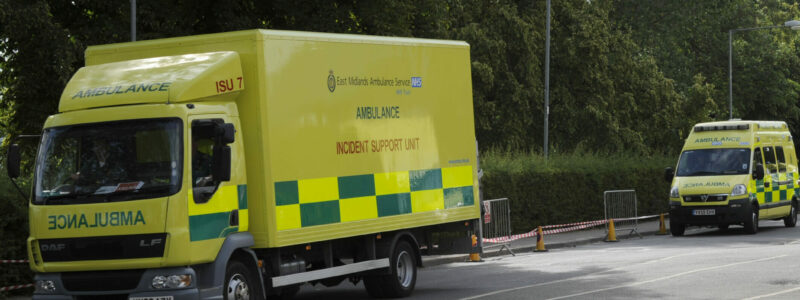
Serious incidents involving hazardous chemicals or radiation are rare, but if you do find yourself involved in one it is important to know what to do to protect yourself and others. Incidents may involve hazardous substances in different forms, including solids, liquids and gases.
Actions to take if you think you have been exposed to a hazardous chemical
If you think you have been exposed to a hazardous substance, you should take the following steps as quickly as possible to protect yourself and others.
Follow the remove, remove, remove advice:
- Remove yourself from the immediate area to avoid further exposure to the substance. Fresh air is important. If the skin is itchy or painful, find a water source. Report to the emergency services.
- Remove your outer clothing if affected by the substance. Try to avoid pulling clothing over your head if possible. Do not smoke, eat or drink. Do not pull off clothing stuck to skin.
- Remove the substance from your skin using a dry absorbent material to either soak it up or brush it off. Rinse continually with water if the skin is itchy or painful.
If you are outside and are alerted to a chemical emergency nearby then you should shelter – go in, stay in, tune in. Emergency services will update on which areas should shelter and for what duration. The distance from the release and direction affected may change over time.
More detailed guidance on what to do in a chemical emergency is provided by the UK Health Security Agency. This also includes information related to evacuations, pets, food and water, and information on specific hazardous chemicals.
Actions to take if you are involved in a radiation emergency
Follow the Go in, Stay in, Tune in advice from the UK Health Security Agency:
- Go in: The most important thing to do if you are told you are near a radiation emergency is go indoors as soon as you can and stay there. Close the doors and windows and stay as far away from external walls as possible.
- Stay in: Staying indoors reduces your exposure to any radiation outside. You will be given advice on what to do next. Turn off all fans and air conditioning and close all external doors, windows and vents where possible. You will be given advice on what to do next. You may need to stay indoors for one to two days.
- Tune in: Monitor the news and follow official advice on GOV.UK for what to do next. Any changes to advice will be communicated to you via official sources – this may be via the radio, television, internet, social media or the police.
What you need to do to protect yourself will depend on where you are in relation to where the radiation emergency is, so it is essential to follow the advice provided where you are. Radiation cannot be seen, heard, smelt, tasted or felt, so it is important that you follow the advice given to you, even if you can’t tell that anything has happened.
- You might be asked to decontaminate (clean) yourself. Advice on how to safely remove radioactive material from your skin and clothes (self-decontaminate) is provided by the UK Health Security Agency.
- The UK Health Security Agency guidance on what to do in a radiation emergency also provides information related to evacuations, pets, use of stable iodine and safety advice related to food and water.