Poor air quality and pollution
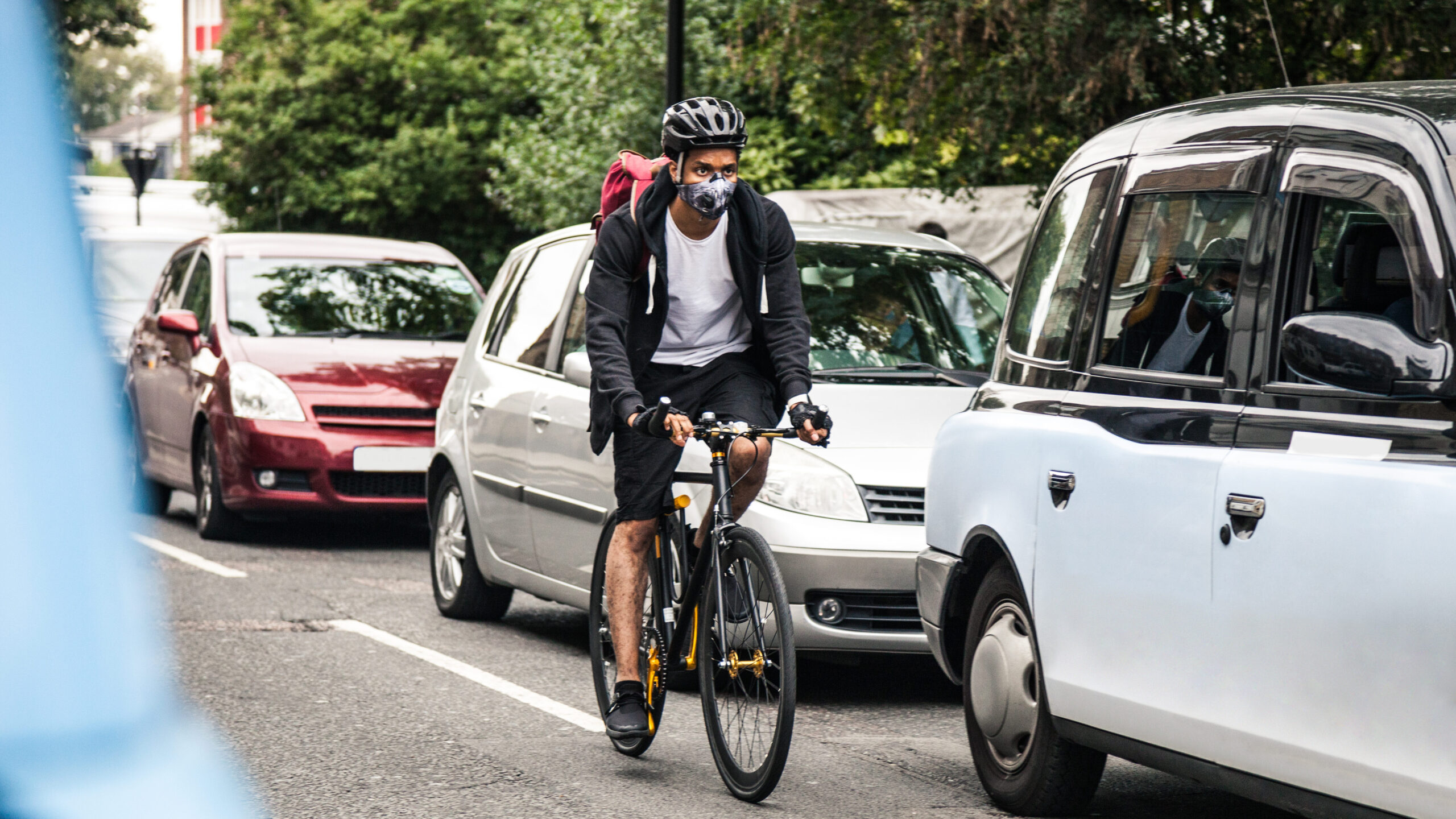
Air quality is the term we use to describe how polluted the air we breathe is. When air quality is poor, pollutants in the air may be hazardous to people.
Although air quality has improved a lot in recent decades, poor air quality is one of the greatest environmental risks to public health in the UK. In addition to contributing to climate change, short-term exposure to high levels of air pollution can also have negative impacts on mortality and health, including effects on lung function, worsening of asthma and increases in hospital admissions related to heart and lung conditions. Long-term exposure to air pollution has been linked to mortality and the development of chronic conditions (such as heart and lung conditions) in addition to lung cancer, diabetes, reduced cognitive performance and dementia, leading to reduced life expectancy.
The government provides air pollution forecasts for up to 5 days ahead. These forecasts are based on readings across the UK. In the Daily Air Quality Index, air pollution is described on a scale of 1-10, where 1 corresponds to ‘low’ pollution and 10 corresponds to ‘very high pollution’. These scores relate to recommended actions and health advice to be taken dependent on the highest forecast level of pollution.
Who is most at risk?
Poor air quality can affect anyone, but some people may face a higher risk of encountering or being impacted by pollution. Some of the groups who may be most at risk are:
- People who live or work in areas of higher pollution.
- People with existing heart or lung conditions (such as asthma).
- Pregnant people.
- Babies and children.
- Older adults.
Actions you can take during episodes of high air pollution to keep yourself safe
- Use the Check Air Quality service to get updates on air pollution in your area. Or you can call 0800 556677 for free updates on air quality in your area.
- Using the highest forecast level of pollution for the day in your area, ensure that you are following the recommended actions and health advice for your personal circumstances:
- At moderate levels of pollution, most people can continue their usual outdoor activities, but anyone experiencing symptoms should try to reduce their exposure. Adults and children with lung or heart conditions should try to adapt physically demanding activities outdoors, especially if their symptoms get worse, and follow their agreed management plan (for example, an asthma action plan) if they have one.
- At high and very high levels of pollution, you should try to reduce your exposure to air pollution, especially if you’re experiencing symptoms. Adults and children with lung or heart conditions, and older people should adapt physically demanding activities outdoors, especially if your symptoms get worse. Follow your agreed management plan if you have one – for example, an asthma action plan. Ask your doctor or nurse for a plan if you do not have one.
- Ensure that family, friends and neighbours who may be at higher risk of the effects of air pollution are aware of, and following, actions to keep themselves safe.
- If you have pets or livestock, consult your vet.
Further information and resources
Read further information on the health impacts of air pollution across a person’s lifetime.
The Met Office provides guidance on how to use the daily air quality index.
For people in Wales, you can read more about Air Quality In Wales.